
Post-Weight-Loss Body Contouring (for Men) in Mumbai
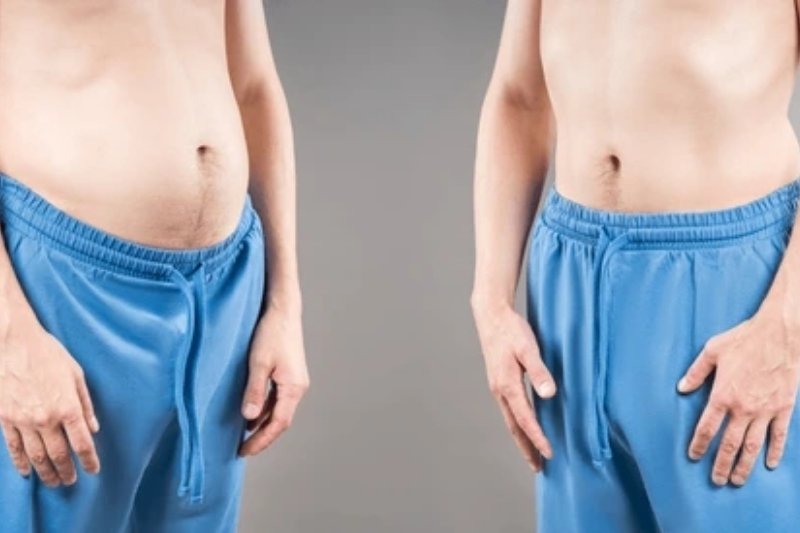
You Did the Work. Now Reveal the Result.
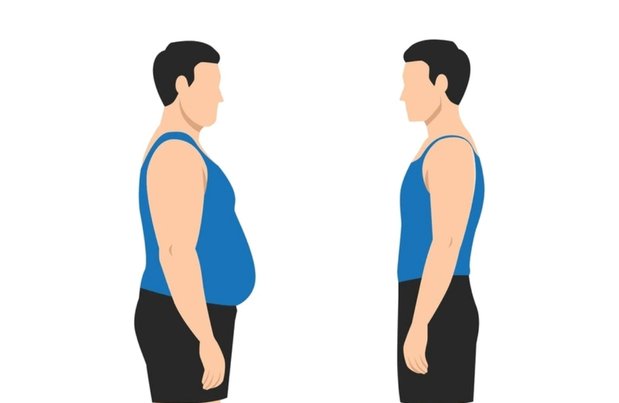
Major weight loss whether through bariatric surgery, sustained diet and exercise, or years of lifestyle transformation is a remarkable achievement. But for many men in Mumbai, reaching the goal weight is not the end of the journey. The body that emerges from major weight loss is rarely the body they imagined. Loose skin hangs from the chest, the lower abdomen, the flanks (love handle area), the upper arms, the inner thighs, and the back. No amount of additional gym work, no amount of further dietary discipline, will tighten skin that has already stretched beyond its capacity to retract.
Post-weight-loss body contouring is a group of plastic surgical procedures specifically designed for this stage of the transformation. The goal is not weight loss you have already done that. The goal is to remove the excess skin, refine the underlying contour, and reveal the masculine, defined body that years of effort have built. Dr. Rachana Tataria offers post-weight-loss body contouring for men in Mumbai at Fortis Hospital, Mulund. With FRCS Plastic Surgery (UK), MCh, and 12+ years of operative experience across India and the UK NHS, she brings the technical depth needed for the complex, often multi-stage reconstruction that major weight loss patients deserve.
Procedures Included in Male Post Weight Loss Body Contouring
Male Tummy Tuck (Abdominoplasty)
Removes loose lower abdominal skin, often combined with liposuction of the flanks for a fully defined waistline.
Extended Abdominoplasty / Lower Body Lift
For men with skin laxity extending to the flanks, back, and buttock area.
Targeted Liposuction
For residual fat deposits in the flanks, abdomen, and chest, often combined with skin excision.
Back Contouring
Addresses loose skin and 'rolls' across the upper and lower back, often through extended abdominoplasty or separate dorsal procedures.
Male Chest Contouring
Combination of gynecomastia correction and excess chest skin removal for men whose chest sagged after weight loss.
Brachioplasty (Arm Lift)
Removes hanging skin from the upper arms, restoring a more defined, athletic upper-arm contour.
Thigh Lift
Addresses loose inner or outer thigh skin (less commonly requested by men than women but relevant in some cases).
Panniculectomy
Removal of the 'pannus' (the apron of hanging lower abdominal skin) in patients who do not yet need a full tummy tuck. Sometimes covered by insurance when documented skin infections are present.
Single Stage Versus Staged Approach
Most men with significant post-weight-loss skin laxity benefit from a staged approach across 2–3 operations spaced 4–6 months apart, rather than a single mega-operation. Staging allows:

Safer operating times (single operations under 6 hours rather than marathon procedures).

Better wound healing - fresh, well-vascularised tissue at each stage.

Less impact on work and family life recovery from each stage is more manageable.

Time to refine subsequent plans based on healing of earlier stages.
Dr. Tataria will help you plan a treatment sequence based on your priorities, anatomy, and lifestyle. Most men start with the chest and abdomen. the areas that affect daily clothing choices most and proceed to arms and other areas in later stages.
Who Is a Good Candidate?
Men who have lost significant weight (typically 20+ kg) and reached a stable weight for at least 6 months.
Post-bariatric patients who are at least 12–18 months after bariatric surgery, nutritionally stable, and cleared by their bariatric team.
Non-smokers, or willing to stop smoking at least 6 weeks before and after surgery.
Men in good general health, without uncontrolled diabetes, cardiac disease, or coagulation disorders.
Patients with adequate protein intake and nutritional status (often a concern after bariatric surgery).
Realistic expectations - major weight loss surgery is reconstructive, not purely cosmetic, and scarring is more visible than in standard cosmetic procedures.
The Procedure
Each procedure is performed under general anaesthesia in a specialised hospital operating theatre setting.
Operating times vary depending on whether a single procedure or combined contouring surgery is performed.
Most patients remain in the hospital for 1–3 nights, with drains removed during early recovery.
Compression garments are generally worn for 6 weeks to support healing and contour stability.
Careful preoperative marking and meticulous closure techniques are used to minimise visible scarring.
Why Choose Dr. Rachana Tataria for Male Post Weight Loss Contouring in Mumbai
01
FRCS Plastic Surgery (UK), MCh, with experience in complex body reconstruction including post-bariatric cases.
02
Surgery at Fortis Hospital, Mulund, JCI-accredited tertiary hospital with full anaesthesia, ICU, and rehabilitation support.
03
Dr. Tataria will recommend staging when safety or outcome demands it, rather than promising single-session ‘transformations’.
04
ERAS recovery protocols imported from UK NHS practice for faster, more comfortable recovery between stages.
05
Strict patient selection patients with active smoking, unstable weight, BMI 35+, or inadequate nutrition are advised to optimise before surgery.
06
Multilingual consultation in English, Hindi, Marathi, Gujarati, Kutchi, Kannada, and French.
The Recovery Journey
Return to Work and Daily Activities
Most patients can return to desk work within 2–4 weeks after each treatment stage.
Gradual Return to Exercise and Gym Work
Light gym activities begin after several weeks, while full physical activity resumes later during recovery.
Healing Time Between Surgical Stages
Recovery intervals between stages allow complete healing before proceeding with further contouring procedures.
Long-Term Transformation and Results
Final body contour and overall transformation continue improving across multiple recovery stages.
FAQs : Post Weight Loss Body Contouring for Men in Mumbai
When can I have body contouring after bariatric surgery?
Most plastic surgeons recommend waiting at least 12–18 months after bariatric surgery, once your weight has been stable for 6 months and you are nutritionally stable. Earlier surgery risks suboptimal healing and rebound weight changes.
How many surgeries will I need?
It depends on which areas need contouring. Some men need only 1–2 operations (chest plus abdomen). Men with extensive multi-area laxity may need 3–4 staged operations over 12–24 months. A detailed plan is built at the initial consultation.
Will my scars be very visible?
Post-weight-loss scars are more extensive than standard cosmetic scars because larger areas of skin are removed. Scars are placed in strategic locations to be concealed by clothing where possible, and fade significantly over 12–18 months with proper care. Honest scar counselling is part of every consultation.
Is post-weight-loss body contouring covered by insurance?
Coverage varies. Panniculectomy (removal of the lower abdominal apron) may be covered with documentation of recurrent skin infections or functional issues. Most cosmetic contouring is not covered. Pre-authorisation support is provided where applicable.
How do I know if I am ready for contouring surgery?
You are ready when: your weight has been stable for at least 6 months; you are nutritionally optimised (especially after bariatric surgery); you have stopped smoking; you are in good general health; and you are prepared mentally and practically for recovery.
What is panniculectomy and how is it different from a tummy tuck?
Panniculectomy removes only the hanging apron of lower abdominal skin without muscle repair or contour reshaping. It is a more limited operation, sometimes covered by insurance when documented skin infections are present. A tummy tuck (abdominoplasty) is a more complete procedure that includes muscle repair and contouring.
Can I expect to look like I never gained the weight?
Significant transformation is achievable, but scarring is the trade-off. Most men describe their post-contouring body as the body they always felt they were inside — not necessarily ‘untouched’ but defined, masculine, and finally matching the work they have put in.
Get in Touch with Dr. Rachana Tataria
Whether you’re ready to take the next step or have questions about Post Weight Loss Body Contouring for Men, we are here to guide you.
Begin your journey toward transformation.