
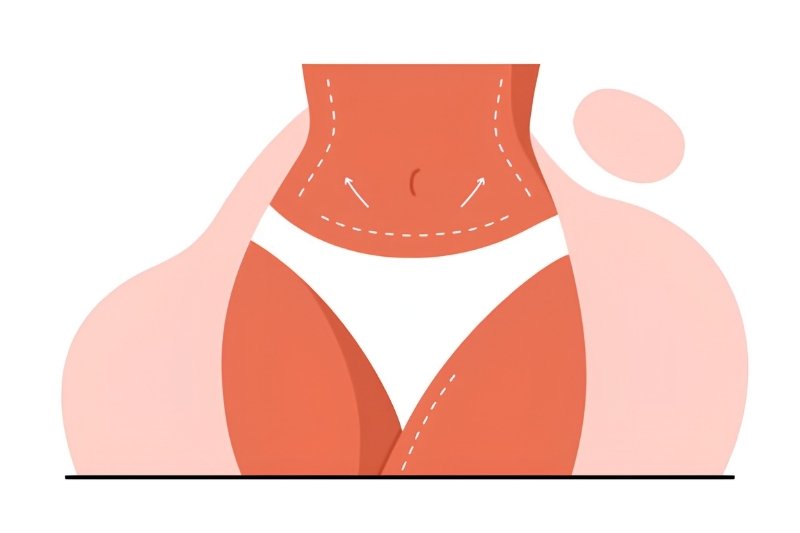

Abdominoplasty (Tummy Tuck) Surgery in Mumbai
Abdominoplasty (Tummy Tuck) Surgery
When the Belly No Longer Reflects the Body You Live In
After pregnancy, significant weight loss, or simply with the passage of time, many women find themselves with an abdomen that no amount of crunches, planks, or clean eating can fix. The skin is stretched, the muscles are separated, the stretch marks remain, and the lower belly hangs over the underwear no matter how lean the rest of the body becomes. A tummy tuck medically called abdominoplasty is the definitive surgical solution. It removes excess skin and fat, tightens separated abdominal muscles (diastasis recti repair), and restores a flat, firm contour that reflects the body you have worked for.
Dr. Rachana Tataria offers tummy tuck surgery in Mumbai at Fortis Hospital, Mulund. With FRCS Plastic Surgery (UK), MCh, and 12+ years of operative experience including consultant practice at Wythenshawe Hospital, Manchester University NHS, she brings UK NHS safety standards, ERAS (Enhanced Recovery After Surgery) protocols, and a careful approach to one of the most rewarding body contouring procedures in plastic surgery.
What a Tummy Tuck Actually Does
A tummy tuck addresses four concerns that diet and exercise cannot:
Loose, stretched abdominal skin (often with stretch marks) that hangs over the lower abdomen.
Diastasis recti - separation of the central abdominal muscles (rectus abdominis) caused by pregnancy or significant weight gain. This separation leaves a permanent 'bulge' that crunches cannot fix.
Excess fat in the abdomen and flanks (combined with liposuction during the procedure).
A weak, flabby core with reduced postural strength.
By removing skin, tightening muscles, and reshaping the abdominal contour, a tummy tuck restores both the appearance and functional core strength of the abdomen.
Types of Abdominoplasty Offered

Full Abdominoplasty
The most common technique which removes skin and fat from the lower abdomen, tightens the entire abdominal wall from rib cage to pubic area, and repositions the belly button (umbilicus). Hip-to-hip incision concealed in the bikini line.

Mini Tummy Tuck
For patients with only minor lower abdominal skin laxity and no muscle separation above the belly button. Shorter scar, faster recovery.

Extended Abdominoplasty
For patients with significant loose skin extending to the flanks and back, often after major weight loss. The incision extends further laterally.

Fleur-de-Lis Abdominoplasty
For massive weight loss patients with both horizontal and vertical excess skin. Adds a vertical scar in the midline.

Tummy Tuck With Liposuction (Lipoabdominoplasty)
Combining liposuction of the upper abdomen and flanks with traditional abdominoplasty for a more complete contour.
Who Is a Good Candidate?
Women who have completed pregnancies and are not planning further children.
Patients within 10–15% of their ideal body weight, stable for at least 6 months.
Post-bariatric or post-weight-loss patients with significant loose abdominal skin.
Patients with diastasis recti causing a persistent abdominal bulge.
Non-smokers, or willing to stop smoking at least 6 weeks before and after surgery (smoking dramatically increases wound healing complications).
Patients in good general health without uncontrolled diabetes, cardiac, or coagulation issues.
The Procedure
Tummy tuck surgery is performed under general anaesthesia and usually takes 2.5 to 4 hours.
Surgical markings are completed with the patient standing before the procedure begins.
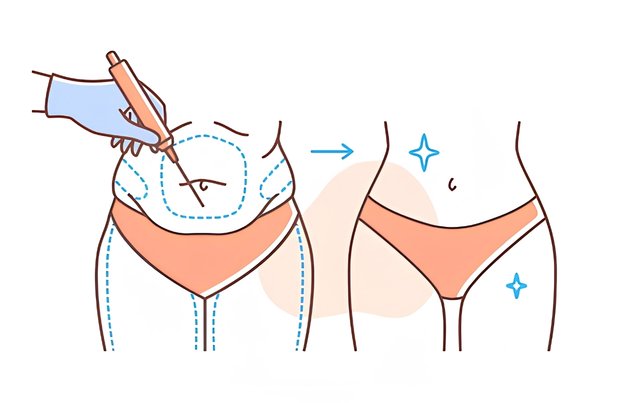
A low horizontal incision is made above the pubic area and designed to remain hidden under clothing.
Separated abdominal muscles are repaired, excess skin is removed, and liposuction may also be added.
The belly button is repositioned, layered closure is completed, and patients stay 1–2 nights in hospital.
Why Choose Dr. Rachana Tataria for Tummy Tuck in Mumbai
01
FRCS Plastic Surgery (UK) and 12+ years of operative experience in plastic surgery across India and the UK NHS.
02
Female plastic surgeon, particularly valued by post-pregnancy patients who find a woman surgeon more attuned to body image and recovery concerns.
03
Surgery at Fortis Hospital, Mulund, JCI-accredited hospital with full anaesthesia and ICU support.
04
ERAS recovery protocols from UK practice translating to less pain, faster mobilisation, and shorter hospital stay.
05
Strict patient selection Dr. Tataria does not operate on borderline candidates (high BMI, active smokers, unstable weight) because outcomes and safety suffer.
06
Routine integration of liposuction with abdominoplasty (lipoabdominoplasty) for a more complete contour.
The Recovery Journey
Return to Work and Daily Activities
Most patients can return to desk work within 2–3 weeks after the recovery period begins.
Gradual Return to Physical Activity
Gentle daily activities resume by 4 weeks, while full workouts begin within 6–8 weeks.
Compression Garment During Healing
Compression garments are generally worn day and night for around 4–6 weeks after surgery.
Long-Term Healing and Scar Improvement
Final body contour and scars continue improving gradually over the following months after recovery.
FAQs : Tummy Tuck Surgery in Mumbai
The scar is placed low across the lower abdomen and is designed to sit within the underwear and bikini line. It fades significantly over 12–18 months with proper scar care, becoming a fine pale line in most patients.
It is generally recommended to wait until you have completed your family. Future pregnancy after abdominoplasty is safe but typically stretches the repaired muscles and skin, undoing much of the result.
Diastasis recti is the separation of the central abdominal muscles caused by pregnancy or weight gain. It produces a persistent 'mommy belly' bulge that no amount of exercise can fix. A full tummy tuck includes muscle repair that closes this separation permanently.
No. Liposuction removes fat only; it does not address loose skin or separated muscles. A tummy tuck removes skin, repairs muscles, and is often combined with liposuction for the most complete result.
Yes. The belly button is meticulously repositioned in its anatomically correct location. Surgical technique creates a natural, slightly oval shape rather than a circular 'cut-out' appearance.
Most patients with desk jobs return to work in 2–3 weeks. Physically demanding jobs may require 4–6 weeks of leave.
As a primarily cosmetic procedure, tummy tuck is generally not covered. Exceptions may apply in cases of severe panniculitis (skin infection under hanging skin), post-bariatric panniculectomy, or hernia repair when combined with the procedure.
Get in Touch with Dr. Rachana Tataria
Whether you’re ready to take the next step or have questions about Tummy Tuck Surgery, we are here to guide you.
Begin your journey toward transformation.