
Lipo-Filling / Fat Grafting in Mumbai
Your Body's Own Filler
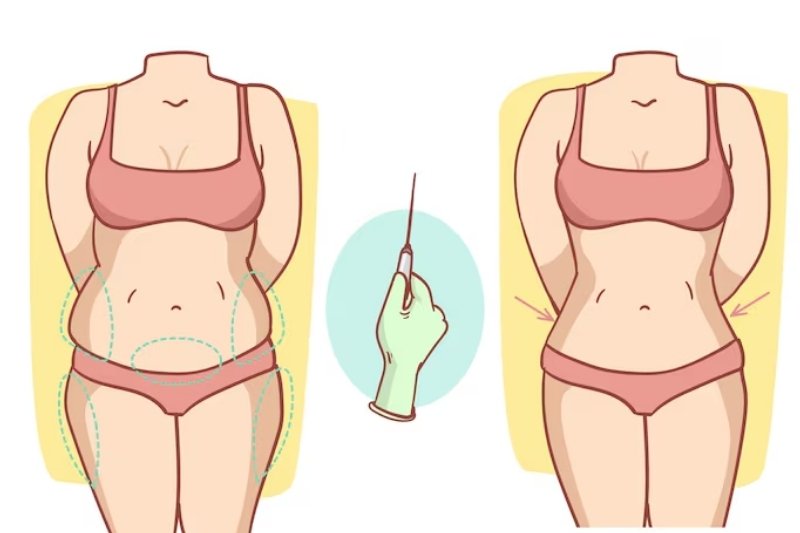
Fat grafting also called lipo-filling, autologous fat transfer, or fat injection is one of the most elegant techniques in modern plastic surgery. It uses your own fat, harvested through gentle liposuction from areas where you have a surplus, processed carefully, and reinjected into areas where you want fuller, more youthful contour. The result is a fully natural enhancement no implants, no synthetic fillers, no foreign material. Just your own living tissue, reshaped to where you want it.
Dr. Rachana Tataria offers fat grafting in Mumbai at Fortis Hospital, Mulund. With FRCS Plastic Surgery (UK), MCh, and dual breast surgery fellowships, she uses fat grafting both as a standalone procedure and as a refining step in larger reconstructions bringing the precision of reconstructive surgery to a technique that is, at its heart, about restoring nature.
Where Fat Grafting Is Used
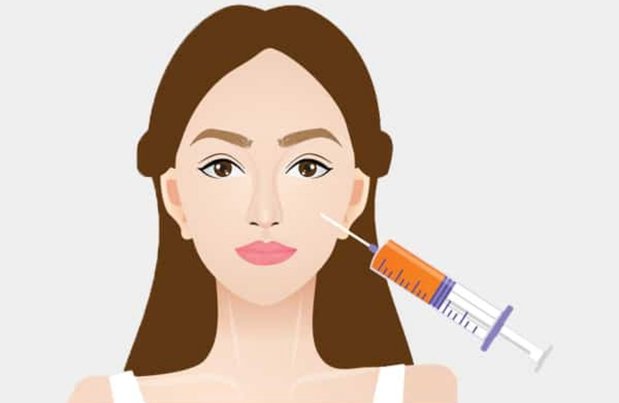
Facial Fat Grafting
Restoring volume in cheeks, temples, under-eye hollows, and the lower face for natural-looking facial rejuvenation.
Hand Fat Grafting
Restoring volume to the back of ageing hands.
Scar Revision
Softening firm, depressed, or contracted scars using fat grafting under the scar.
Burn and Reconstructive Defects
Filling depressed areas after trauma, burns, or previous surgery.
Breast Fat Grafting
Natural breast augmentation, contour refinement after implant or flap reconstruction, correction of mild asymmetry.
Tuberous Breast Correction
Supplementary technique for natural contour refinement.
Lipodystrophy
Restoring volume after disease, weight loss, or radiation-induced atrophy.
Buttock Fat Grafting (Indian-Style BBL)
Modest shape enhancement using safer subcutaneous-only fat placement.
How Fat Grafting Works

Harvest
Fat is removed gently through small liposuction punctures from a donor area (commonly abdomen, thighs, or flanks).

Processing
The harvested fat is cleaned and concentrated using centrifugation or filtration, separating viable fat cells from oil, blood, and fluid.

Reinjection
The processed fat is injected in tiny droplets through multiple passes using a fine cannula, placed at different tissue depths for even, natural-looking volume.
Approximately 50–70% of the injected fat ‘takes’ permanently, as it establishes its own blood supply. The remaining fat is reabsorbed by the body. Overcorrection is therefore planned during surgery to account for this.
Who Is a Good Candidate?
Patients seeking natural volume restoration without implants or synthetic fillers.
Women wanting modest breast volume increase (typically up to one cup size per session).
Patients with sufficient donor fat available for harvest (extremely lean patients may not have enough).
Patients with depressed scars, contour defects, or facial volume loss.
Women refining a previous breast augmentation or reconstruction (composite reconstruction).
Non-smokers, or willing to stop smoking before surgery (smoking dramatically reduces fat survival).
The Procedure
Fat grafting is performed under general anaesthesia or local anaesthesia with sedation based on treatment volume.
The surgery usually takes around 1.5 to 4 hours depending on the amount of fat transferred.
Both donor and recipient sites are treated through small puncture marks instead of large incisions.
The procedure involves minimal visible scarring due to the use of small access points during treatment.
Most patients are discharged the same day or after a single overnight hospital stay.
Why Choose Dr. Rachana Tataria for Fat Grafting in Mumbai
01
Fat grafting in reconstructive surgery (after lumpectomy, after burn scarring, after radiation defects) requires deeper understanding of tissue behaviour than purely cosmetic use.
02
Female plastic surgeon additional comfort for facial and breast fat grafting consultations.
03
Honest counselling about realistic outcomes per session and the possible need for repeat sessions.
04
Safety-first approach to buttock fat grafting using only subcutaneous-plane placement, never deep intramuscular injection (linked globally to fatal pulmonary fat embolism).
05
Surgery at Fortis Hospital, Mulund full operating theatre and anaesthesia support.
06
Multilingual consultation in English, Hindi, Marathi, Gujarati, Kutchi, Kannada, and French.
The Recovery Journey
Bruising and Swelling After Surgery
Donor areas are usually bruised, swollen, and tender during the first 1–2 weeks after treatment.
Return to Work and Daily Activities
Most patients can return to desk work and routine activities within 5–7 days after surgery.
Gradual Return to Physical Activity
Full physical activity and exercise are generally resumed around 4 weeks after the procedure.
Long-Term Healing and Volume Settling
Final contour and fat volume continue settling gradually over the following months after recovery.
FAQs : Fat Grafting in Mumbai
How long do fat grafting results last?
The fat that survives the initial ‘take’ (approximately 50–70% of what was injected) is permanent. It behaves like the rest of your body fat — staying long-term but responding to significant weight gain or loss.
Will I need more than one fat grafting session?
It depends on goals and tissue response. Many patients are happy with one session. Larger volume corrections (e.g. one full cup size increase in breast volume) often need 2–3 sessions spaced 4–6 months apart.
Is fat grafting safer than implants?
Fat grafting avoids implant-related risks such as capsular contracture, rupture, and BIA-ALCL. It has its own considerations (graft survival, fat necrosis). Neither is universally safer — the right choice depends on goals and anatomy.
Can fat grafting replace fillers like hyaluronic acid?
Yes, in selected cases. Fat is permanent (in the surviving portion) while fillers are temporary. Fat grafting is, however, a surgical procedure with recovery time, whereas fillers are an in-clinic injection.
Does Dr. Tataria perform Brazilian Butt Lift (BBL)?
Dr. Tataria offers buttock fat grafting using safer subcutaneous-plane technique only. She does not perform deep intramuscular injection due to global concerns about pulmonary fat embolism. Patients are counselled honestly about realistic volume gains with the safer technique.
How is fat grafting different from filler injection?
Fat grafting uses your own living tissue and is performed surgically under anaesthesia. Fillers use synthetic gel injected in clinic. Fat grafting results are permanent (surviving portion); filler results last 6–18 months.
Will the donor area look different after fat h
Liposuction during fat harvest improves the donor area contour. This is often a welcome side benefit — fat is taken from where you have excess and used where you want more.
Get in Touch with Dr. Rachana Tataria
Whether you’re ready to take the next step or have questions about Fat Grafting, we are here to guide you.
Begin your journey toward transformation.