
Tuberous (Constricted) Breast Correction in Mumbai
Tuberous Breast Correction
A Condition Most Women Do Not Know Has a Name
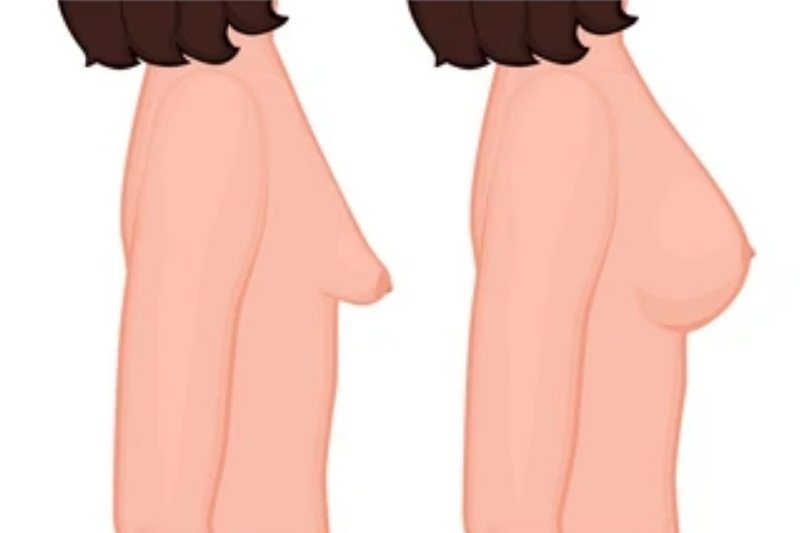
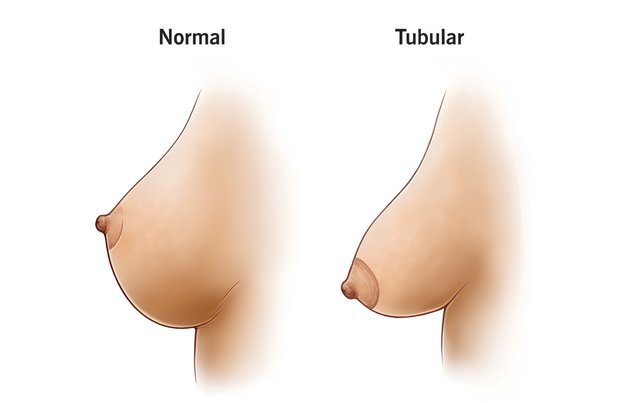
Tuberous breast deformity also called constricted breast or tubular breast is a developmental condition where the breast fails to develop normally during puberty. The base of the breast is narrow, the breast itself appears tubular rather than round, the lower pole is underdeveloped, the breast crease sits high on the chest, and the areola often appears large, swollen, or ‘herniated’ as breast tissue pushes through it. The condition can affect one breast or both, often unequally.
Most women with tuberous breasts spend years feeling there is ‘something wrong’ without knowing it has a name or a treatment. Tuberous breast correction is a specialised, multi-step plastic surgical procedure that reshapes the breast base, releases the constriction, fills the lower pole, and reduces the areola creating a breast with a natural round shape and a proportionate areola.
Dr. Rachana Tataria offers tuberous breast correction in Mumbai at Fortis Hospital, Mulund. With FRCS Plastic Surgery (UK), MCh, and dual oncoplastic + microvascular breast fellowships, she brings advanced reconstructive understanding to a condition that requires precise reshaping at multiple levels.
Recognising Tuberous Breasts
A narrow breast base (smaller footprint on the chest wall than expected).
Tubular or cylindrical shape rather than round.
Underdeveloped lower pole most of the breast volume sits above the breast crease.
A high inframammary fold (breast crease sitting higher than normal).
An enlarged, swollen, or 'herniated' areola where breast tissue pushes outward through it.
Asymmetry between the two breasts in shape, size, or position (common).
Grading and Surgical Planning
Tuberous breasts are commonly classified into three grades based on severity, ranging from mild lower pole constriction (Grade 1) to severe constriction with severely deficient lower-pole tissue (Grade 3). The grade determines the complexity of correction:

Grade 1
Limited lower medial pole deficiency. May be corrected by implant placement alone or with fat grafting.

Grade 2
Deficient lower lateral and medial pole tissue. Requires base release and implant or fat grafting, with areola reduction if needed.

Grade 3
Requires multi-step correction with base release, internal flap repositioning, implant or fat grafting, and areola reconstruction.
Surgical Approach
Tuberous breast correction may involve several elements in a single operation or staged across two:
Areolar Reduction
Reducing the enlarged areola to natural size and shape.
Base Release
Surgical cuts to release the constricting fibrous band at the lower pole, allowing the breast to expand into a natural round shape.
Fat Grafting
Particularly useful for fine-tuning shape, softening transitions, and adding natural volume.
Internal Flap Repositioning
Using breast tissue from the upper pole to fill the deficient lower pole.
Implant Placement
Using an appropriately shaped implant (often anatomical) to add volume and round out the lower pole.
Two-Stage Approach
In severe Grade 3 cases, an initial tissue expander to gradually stretch deficient skin, followed by implant exchange and final shaping.
Who Is a Good Candidate?
Women aged 18 and above who have completed breast development.
Patients with confirmed tuberous breast features causing significant emotional or functional impact.
Non-smokers, or willing to stop smoking before surgery.
In good general health.
Realistic expectations significant transformation is achievable; perfect symmetry is rarely possible due to underlying developmental differences.
Why Choose Dr. Rachana Tataria for Tuberous Breast Correction in Mumbai
01
Specialised reconstructive understanding tuberous breast correction is essentially a small reconstruction, requiring careful tissue redistribution and shape building.
02
FRCS Plastic Surgery (UK), MCh Plastic Surgery, oncoplastic breast surgery fellowship.
03
Surgery at Fortis Hospital, Mulund, JCI-accredited facility with full safety protocols.

04
Combined techniques comfortable with implants, fat grafting, and internal flap procedures, allowing personalised treatment rather than a single ‘one-size’ approach.
05
Female plastic surgeon particularly meaningful for young women.
06
Multilingual consultation in English, Hindi, Marathi, Gujarati, Kutchi, Kannada, and French.
The Recovery Journey
Return to Work and Daily Activities
Most patients can return to desk work and regular routine activities within 7–10 days after surgery.
Gradual Resumption of Physical Activity
Gentle activities begin around 3 weeks, while full physical activity resumes within 6–8 weeks.
Supportive Garments During Healing
Surgical support bras are generally worn for 4–6 weeks to support healing and tissue settling.
Long-Term Healing and Final Shape
Breast shape and scars continue improving gradually over the following months after the procedure.
FAQs : Tuberous Breast Correction in Mumbai
Will my tuberous breasts ever look completely 'normal'?
Significant transformation is achievable. Most patients describe the result as life-changing in how they feel in clothes, swimwear, and intimacy. Absolute symmetry is rare due to the underlying developmental difference, but proportionate, natural-looking breasts are the achievable goal.
Can fat grafting alone correct tuberous breasts?
In very mild cases, fat grafting alone may help. Most cases need a combination of internal release and implant or fat grafting for proper shape correction.
At what age can correction be done?
Most surgery is performed at 18 years or older, when breast development is complete. In severe Grade 3 cases with significant psychological impact, earlier surgery may be discussed.
Will I be able to breastfeed after correction?
Tuberous breasts are sometimes associated with reduced glandular development from the outset. Surgical correction techniques aim to preserve the milk ducts. Breastfeeding outcomes are variable and discussed during consultation.
Is this surgery covered by insurance?
Tuberous breast correction may be considered a developmental deformity rather than purely cosmetic, and some insurance policies cover it with appropriate documentation. Pre-authorisation support is provided.
Will the areola size be normal after surgery?
Yes. Part of tuberous correction is reducing the enlarged or herniated areola to a natural size and shape. Permanent reduction is achievable.
How many surgeries will I need?
Mild and moderate cases (Grade 1–2): usually one operation. Severe cases (Grade 3): often two stages over 6–12 months for the best result
Get in Touch with Dr. Rachana Tataria
Whether you’re ready to take the next step or have questions about Tuberous Breast Correction, we are here to guide you.
Begin your journey toward transformation.